
Among the vast collection of Starbucks cups and merchandise, the new limited edition “Bearista Cup” is making its debut. On Nov. 6, 2025, Starbucks locations received the 20-ounce glass mug in the shape of a bear wearing a beanie known as the “Bearista Cup.” For the time they were in stores, they sold for $29.95. However, the stock was so limited that there was only one to two mugs per Starbucks location, creating a high sense of urgency. By marketing their products with sneaky strategies such as these, it can be hard to decipher what items are truly urgent and necessary or just another marketing ploy.
Business Insider journalist Lauren Crosby Medlicott claims she woke up at 1:00 AM to wait in line for the viral calamity. The store proceeded to open at 4:30 AM with only two mugs in stock. Medlicott, securing them after the long wait, claimed, “When we woke up at 11:00 AM, we saw horror stories all over TikTok of people who had camped out hours before us, only to go home empty-handed. We got really lucky.” Adding to the frenzy, the rare people who got their hands on the scarce item quickly took to eBay to sell them anywhere from $60 to $300. Even at such insane prices, it didn’t stop people from purchasing. While this item may seem very rare from reactions and craze surrounding it, it was recently exposed by numerous infuriated consumers that the exact cup can be found for the price of $5 on Alibaba.com without the brand name of Starbucks attached. With this in mind, it sparks curiosity about how far people will truly go for a label.
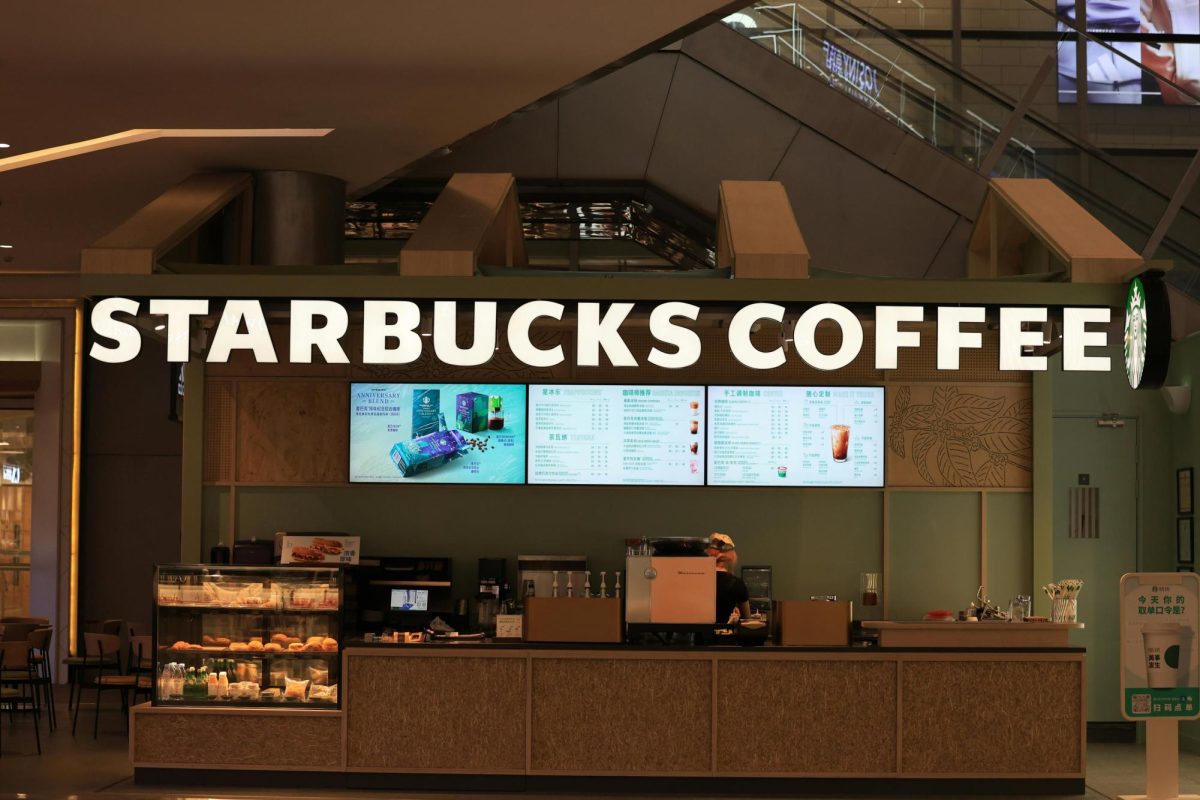
Over time, Starbucks has gained extreme popularity, having 32,000 stores in over 80 countries, making its image and label very widespread. One way they gain and keep their following is through their merchandise. Many companies on the same scale as Starbucks, such as McDonald’s, promote their products through social media, advertisements, and billboards; however, Starbucks differs as it relies heavily on its collectable merchandise in addition to the other marketing strategies to pull in customers. Items such as keychains, tumblers, mugs, and more can be found at the forefront of any Starbucks location, some even being collabs with other companies and brands to pull in more interest. With their limited-edition collectible nature, they have a great influence over the public.
Additionally, Starbucks continued to use its strategic approach with its annual “red cup day.” This year, on Nov. 13, with the release of the holiday menu items, Starbucks released a free red reusable plastic cup, gifted with a purchase of a holiday menu item, while supplies lasted. These, too, were limited in stock and conditional per location. This incited a high sense of urgency and need for what was truly just another cup.
With the tactics used by companies such as Starbucks, it quickly becomes difficult to decipher between what is an urgent need vs. another marketing scheme. This can quickly lead to a spiral of overconsumption. By always promoting the next best thing every month and using products as incentives, it is easy to get lost in the sheer amount that is being produced and purchased.
Continually, overconsumption leads to a surplus of waste. Things that may seem significant now will lose their appeal in a month in the fast-paced consumer market. According to an EBSCO article on overconsumption, Roman Meinhold explains that overconsumption leads to disproportionate purchasing and significant ecological damage. While the desire for more and more can be traced back for ages, with the rise in industrialization, marketing strategies, and influencers, it has begun to grow out of control, taking a toll on the economy and the environment, with the increase in production and waste that comes from it. Although Starbucks is not the only factor contributing to the overconsumption issue, it does play an integral role as most businesses do.
While Starbucks has many benefits in its delicious drinks and sweet treats, regarding their taste and presentation, they employs many tactics and strategies to maintain its image and maintain its sales. All things that should be remembered and kept in mind before purchasing the new limited edition ‘have to have’ item. The bears in beanies may seem enticing; however, it’s good to remember that they aren’t only cute but also very calculated.