

On Jan. 27, after five years of Name, Image, and Likeness (NIL) being limited to the collegiate level, the Michigan High School Athletic Association (MHSAA) approved NIL activities for high school student-athletes. Although a small number of high school athletes have had endorsements in recent years, this is the first time they can make money without risking their eligibility.
The biggest difference between high school and college NIL is the restrictions athletes face. Broadly speaking, NIL allows athletes to benefit from their personal brand, whether it’s through endorsements, merchandise, or social media promotions. For college sports, boosters can organize deals, schools can help players connect with NIL resources, and NIL is often indirectly tied to recruiting.
By contrast, in high school NIL, everything is done between the athlete, their family, a lawyer, and the sponsoring business or brand. There have already been some great NIL in Michigan. For example in Sawyer MI, Zo’s Mini Donuts signed six high school athletes as NIL sponsors. Zoey Heyn, the co-founder of Zo’s said “I knew immediately after we saw MHSAA change the rules that we wanted to be a part of this and encourage young entrepreneurship,” (mlive.com) The six high schoolers did a photo shoot with Zo’s and received some merch and gift cards along with their payment (Heyn declined to disclose the amount the athletes were paid for privacy reasons). This is an example of how small businesses and athletes can collaborate without any problems. One of the main objectives of this setup is to prevent high school sports from having a free agent component. This is why boosters and schools aren’t allowed to be involved in athletes’ NIL deals whatsoever. The MHSAA, which made and will govern NIL in Michigan, has stated that “Schools, coaches, and school employees may not solicit, arrange, negotiate, or promote PBA (Personal Brand Activity) opportunities on behalf of student-athletes. PBA activities must be initiated and managed independently by the student-athlete and their families, without any connection to a school.”
NIL was implemented at the collegiate level in 2021. Since then, a few loopholes have been uncovered. According to the rules, schools can’t just pay players to come play for them, and now we have this new concept of “booster collectives” that come together to entice players to go to certain schools. This isn’t how it’s supposed to be.
This raises several questions. What loopholes will be found in high school NIL? How will this change high school sports? What effect will this have on high schoolers and their families?
For example, in 2024, Bryce Underwood, the best high school quarterback in the country, was committed to play at LSU, then out of nowhere, a booster paid him 12 million dollars to flip his commitment to the University of Michigan. This is an extreme example at the top end of the NIL world, but it raises the question: is it a good idea to have loads of money swimming around our high schools?
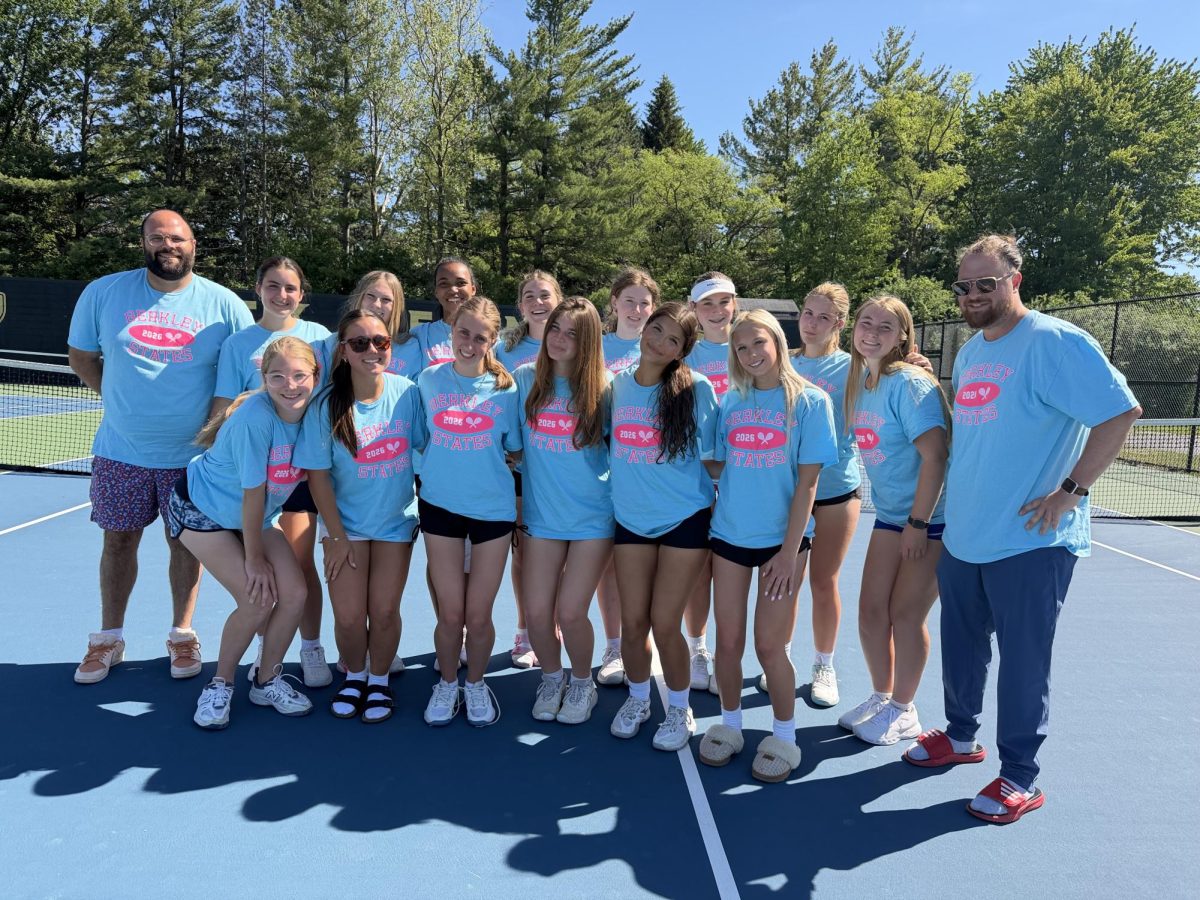
On the other hand, a lot of people are excited about high school NIL. One Berkley athlete whose name has come up as an NIL prospect is tennis player Evan Weber. “It looks like a really exciting opportunity,” Weber said, “I hope I can get involved in some sort of way.”
NIL provides a lot of opportunities, but there are a lot of unknowns. How will high school athletes handle these new responsibilities and expectations? How will this impact teams and their relationships? One thing is for sure: NIL is here, and high school sports are going to change dramatically.