
We all remember 2020… six feet apart, cleaning every surface, and masks accessorizing every outfit. Coronavirus impacted everyone. We all thought that after it ended, that would be the end of pandemics. While Coronavirus may be over, there is a new virus that has everyone worried: the Hantavirus.
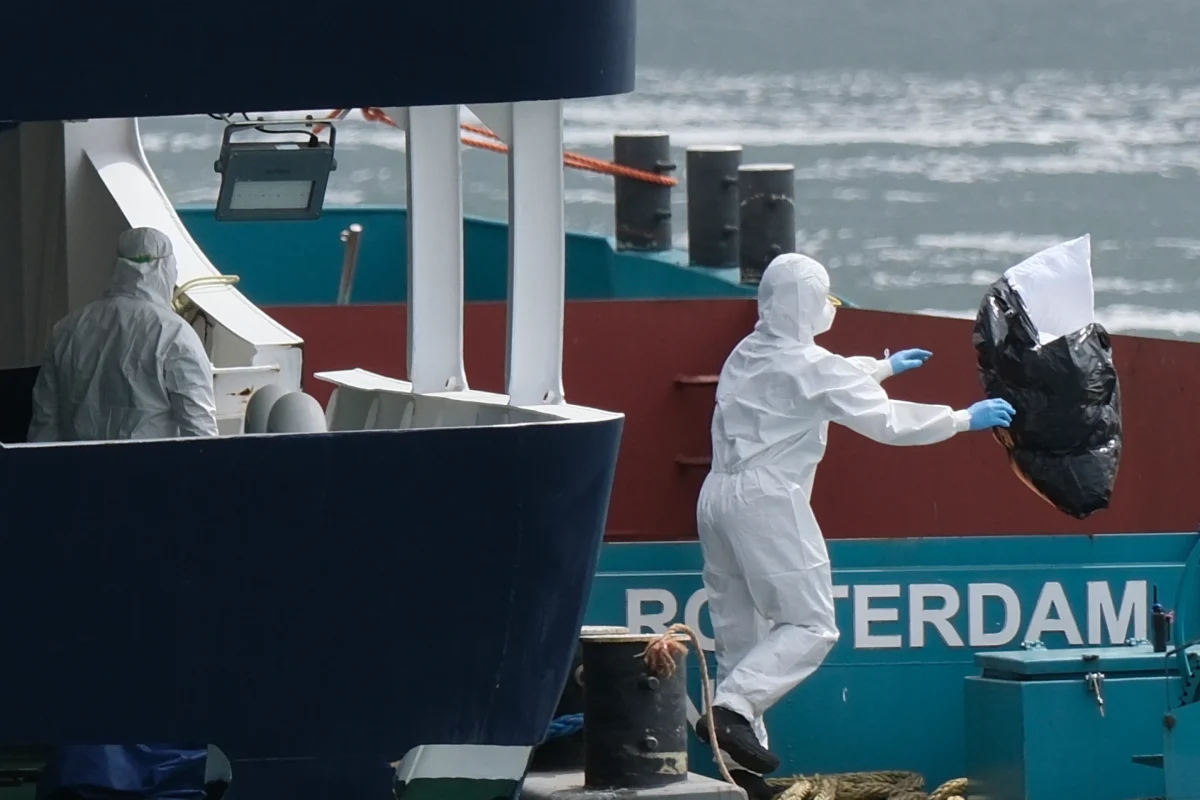
The current Hantavirus outbreak didn’t just start from nowhere. While on a six-month cruise, named MV Hondius, the Schilperoord couple took a day trip to a landfill in Ushuaia, Argentina, in order to bird watch. This landfill is known for its rare birds, but unbeknownst to the couple, it also contained rodents who had Andes. Leo Schulperoord then caught the virus, but before he felt any symptoms, he re-boarded the ship. Only six days later, on April 11, he died. Soon after, his wife, Mirjam, developed symptoms and died on April 26.
Primarily found in the Americas, Europe, and Asia, the Hantavirus mainly affects rodents, like rats and mice. There are different versions of this virus depending on geographic location, which also affect the symptoms.
In the Americas, symptoms of Hantavirus are known as Hantavirus Cardiopulmonary Syndrome or HPCS, which essentially affects the lungs and heart. As the condition worsens, HPCS may result “to [a] cough, shortness of breath, [or] accumulation of fluid in the lungs and shock”, according to the World Health Organization.
While strains of this virus are mainly carried by rodents, such as rats, if a human contracts this virus, it could be deadly. In fact, it has a death rate of 35-50%. In Europe and Asia, contracting this disease results in haemorrhagic fever with renal syndrome, or HFRS. As this progresses, patients may develop “low blood pressure, bleeding disorders, and kidney failure”, says the World Health Organization.
While strains of this virus are mainly carried by rodents, such as rats, if a human contracts this virus, it could be deadly. In fact, it has a death rate of 35-50%. Belonging to the Hantaviridae family, Hantavirus has many variants which affect humans differently. The strand that people are worried about is called Andes, which is the only variant that “transmits from human to human”, according to The New York Post, despite being rare. Other ways of contracting Andes include touching a surface or being in contact with rodents who carry the disease. The CDC says that early symptoms may look like the flu, as well. While the Hantavirus can be found throughout the world, Andes is a South America specific variant.
While Andes is very dangerous for humans, there are ways to prevent getting it. The CDC says to wash hands, avoid contact, and to refrain from sharing utensils or other products that could share the desires, such as drinks, vapes, etc. There is currently no vaccine for Andes, which is why precautions are taken so seriously when in contact with someone who has Andes.
It wasn’t only the Schulperoord couple that got it; a total of 11 passengers on the MV Hondius have gotten sick, and three are dead already.
As for the rest of the passengers, the CDC worked with countless governments (state and national), along with organizations, to bring the American passengers back to America. The 18 passengers who “remained on the cruise ship on May 10 are currently being monitored at the Nebraska Quarantine Unit, in the University of Nebraska Medical Center, according to the CDC. They are scheduled to stay there for a 42-day monitoring period. However, seven patients have returned home early and are being closely watched by the state government.
The remaining passengers, who are not American, are returning to their home countries and will most likely undergo their own quarantine there.
Despite what it may seem, Hantavirus is not the threat social media has presented. According to the World Health Organization, a pandemic is a virus that spreads easily around the world. It has nothing to do with how deadly the disease may be. Yes, Coronavirus was very dangerous, especially for the elderly and those with medical conditions. However, a key factor of why it became a global pandemic was due to how fast it spread around the world, and how easy it was for people to catch it, not the mortality rate. While the Hantavirus is dangerous for humans, it is also really hard to spread to others. You must be in direct contact with a patient, and Andes is the only variant that spreads to humans. Due to Hantavirus not easily spreading, it is unlikely for a pandemic to grow at the scale in which Coronavirus did.
All in all, it seems to be very unlikely that Handavirus will become the next COVID. That doesn’t mean that we can discard precaution. We must wash our hands, stay away from patients, and do our best to stay safe.