
With spring approaching and summer right around the corner, students at BHS are applying and preparing for their summer jobs. Although it can be hard to find a job as a teenager, multiple Berkley Bears already have their jobs planned out. To figure out where some teenagers are working over the break from school, I interviewed five motivated BHS students about how they plan to get income during the summer, and why they chose these jobs.
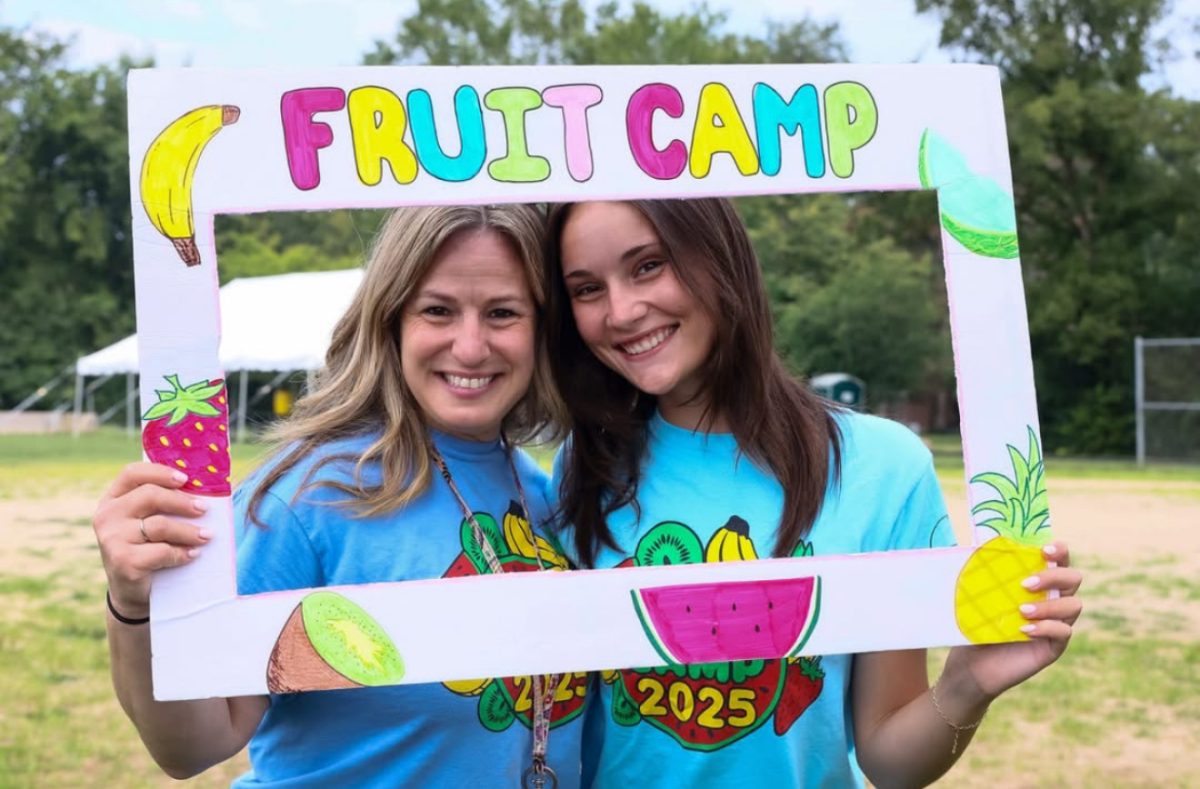
One popular job, especially among upperclassmen, is working at camps as a counselor, both for overnight and day camps. There are two local daytime camps for kids in the community: Huntington Woods’ Fruit Camp and Berkley’s Berkley Parks and Rec.
Senior Lindsey Philko works at Fruit Camp with the Pre-K kids, where she says they do a lot of “crafts and activities” and have “one field trip per session, where [they] take the kids to places like the zoo or the splash pad”.
This summer will be her third year working at Fruit Camp, and she explains that she keeps returning to this specific job because she “really likes connecting with the staff and the kids in general” and that she loves “seeing [the kids] in the neighborhood because it is nice to say hi to them”.
Philko expresses that she “definitely feels like [she] is helping out the community,” and that the parents, especially in Pre-K, “really appreciate the staff, and it is nice to feel their love and gratitude”.
Similarly, Senior Nicole Charlton works as a counselor at Berkley Parks and Rec, which is the camp where she spent her summers growing up as a camper. Charlton works with kids “ranging anywhere from going into kindergarten to going into seventh grade”. She states that it is “a fun job, and it almost feels like you’re not working because you are always doing something and going to fun places.”
Berkley Parks and Rec travels to multiple places on field trips, such as “nature centers, the zoo, and indoor and outdoor parks”. Charlton explains that she “finds it a rewarding job because you have the ability to make connections with kids and new people in the community”. She also used to go to this camp as a kid, so it is a very “full circle experience”.
Senior Jake Pitler works as an overnight camp counselor at Tamarack Camps, which is a big commitment, to say the least. Last year, he was a volunteer so that the camp could “see how well [he] works with kids” and if Tamarack would be the right fit for a paid position the following summer, and this year he will be at Tamarack for 48 days.
Pitler explains that he went to Tamarack as a kid and that this will actually be his tenth year at the camp. He describes his responsibilities as “taking care of kids, anything they need,” including “lots of homesickness because it is an overnight camp”. Pitler says that he “100% recommends the job to others, but it takes a very big toll on you if you’re not patient.”
He continues, “You need to structure a lot of things around them because you’re not the important one. At the end of the day, it’s their experience, not yours.”
When asked about what opportunities this job gives him, Pitler explains that “in a way, it is kind of like volunteering, because you’re doing a service. When you’re doing good things and helping others, it makes you feel better, and during the summer, I have free time to be able to help others.”
Another common profession for BHS students during the summer is being a lifeguard, especially for students who grew up swimming on a swim team. Junior Alex Conti is a lifeguard at the Huntington Woods pool and feels as though this job was the “natural choice” since he grew up swimming at this pool.
The process to become a lifeguard is different from other jobs though, because you have to get certified by taking classes before you are even allowed to interview. After actually getting the job, Conti explains that being a lifeguard “allows you to interact with community members, be a part of the community, and to be responsible”. Continuing, Conti reveals how this job “builds life skills such as working in a team” and even “how to work with people that you don’t get along with”, which are very crucial skills.
Rather than getting a job through a company, students can also be self-employed. One common example of this is babysitting or nannying. Senior Emma Pollock spends her summers nannying for families that she has met through her winter job as a ski instructor.
She explains, “I really, really like nannying because it is very rewarding. I love seeing the kids smile, making them happy, playing with them, and taking them to do fun things.” Pollock says she has been nannying for around four years and that it has allowed her to “learn real-world knowledge and life lessons that [she] wouldn’t be able to during school”.
Despite their different jobs, these students all agree on one thing: working as a teenager is important.”[/pullquote] Pitler further explains, “I work for experience. If you start young, it’s a lot easier to keep going later because it ingrains it into your body. When you’re developing, experience is the most important part of your life and it’s a lot easier to continue working in the future.”
Charlton also thinks that working as a teenager is beneficial because “you can make money for college and other expenses,” but also because “it helps teach you how to balance and manage your time in the future.”
Whether working for money, experience, social skills, to benefit the community, or to learn time management skills, getting a job in the summer is a great way to gain valuable life skills for the future with the free time that summer provides.