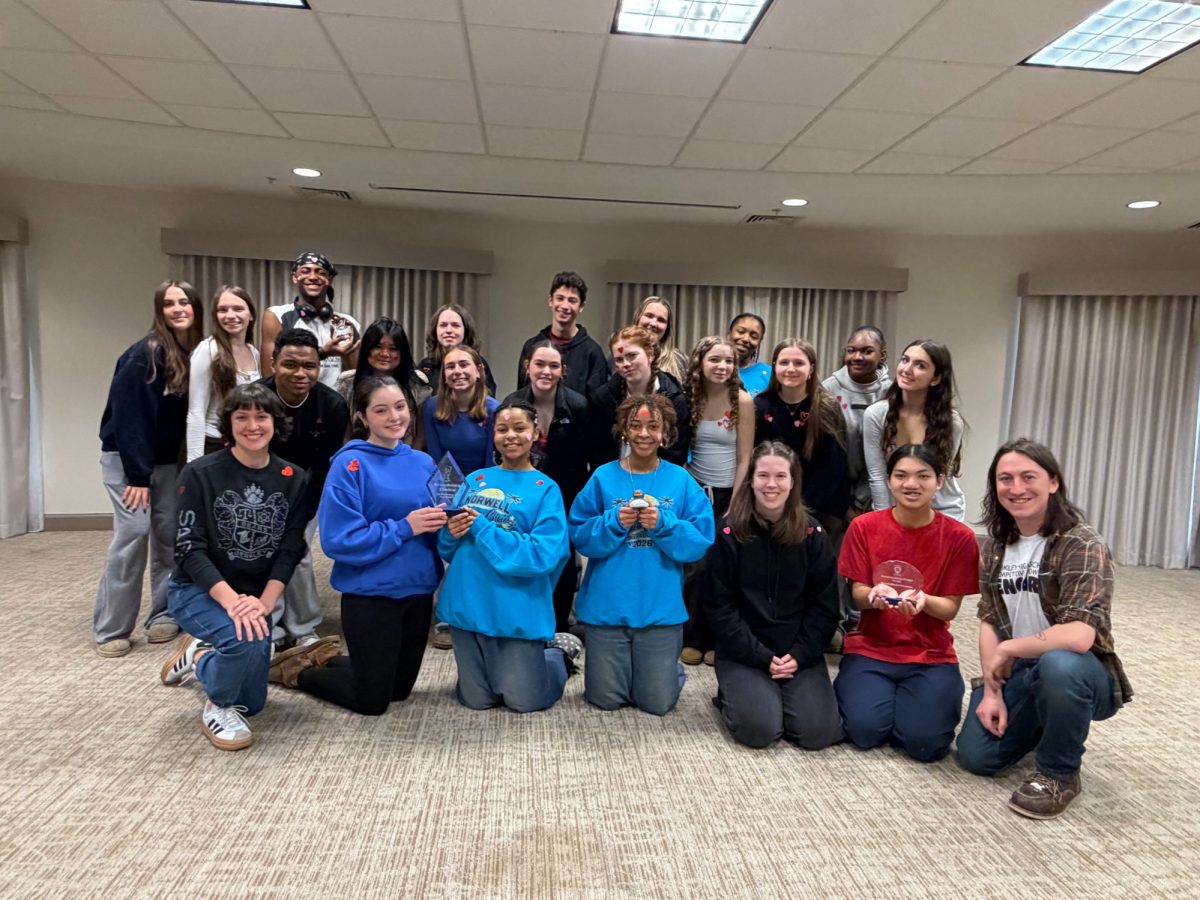

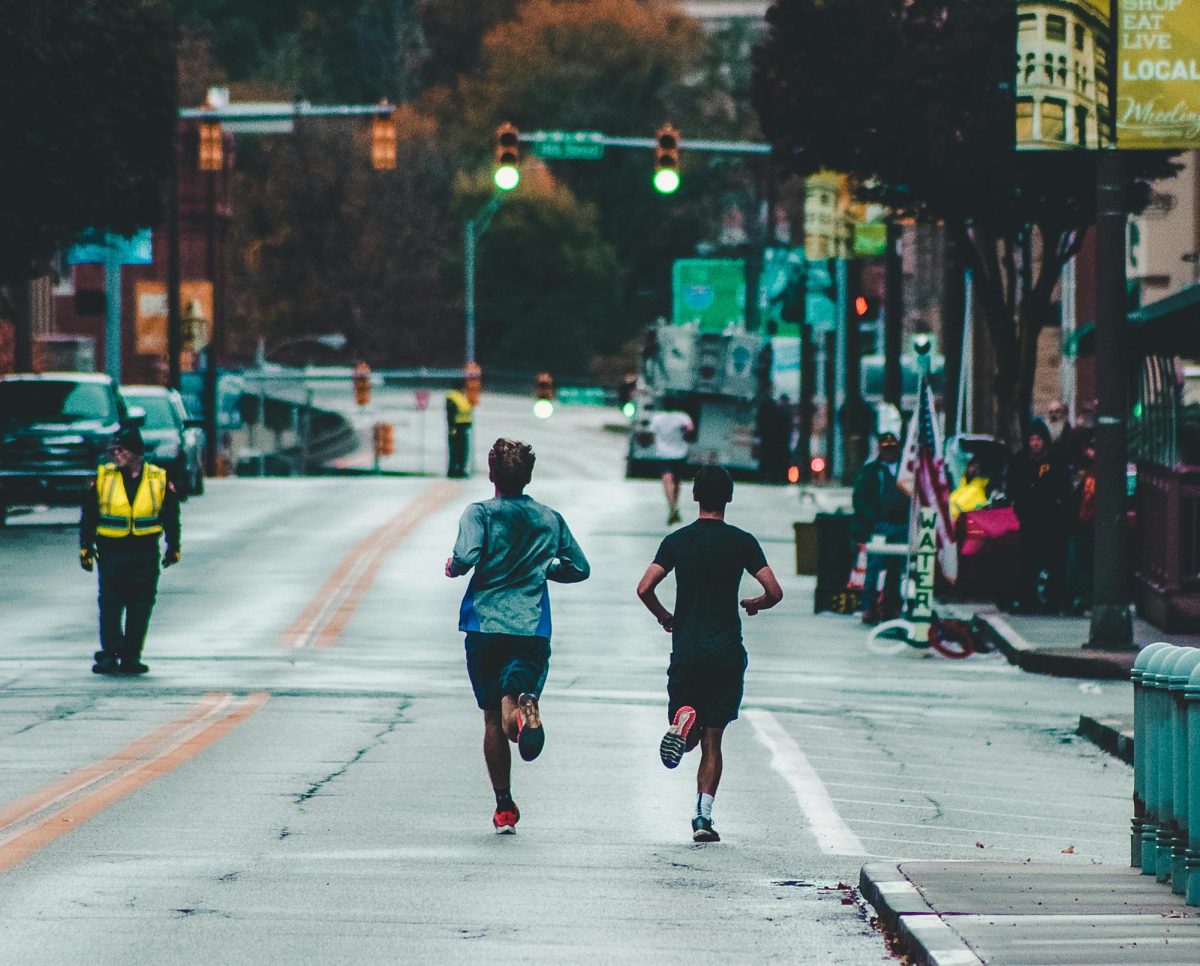
Marathons are a powerful metaphor for life: you truly get out what you put in. This idea came to life on Oct. 19, when Berkley High School students and parents participated in the 2025 Detroit Free Press Marathon. Starting in downtown Detroit, runners crossed the iconic Ambassador Bridge into Windsor, Canada, and returned to the U.S. through the Detroit-Windsor tunnel. Many Berkley students and parents have since reflected on their training journeys, favorite moments, the benefits of running, their plans for future races, and the many ways the community can get involved—even for those who choose not to run.
The Detroit Free Press Marathon has a long history that stretches back nearly five decades. According to its website, in 1978, Neal Shine, the managing editor of the Detroit Free Press, attended the Falmouth Road Race and was deeply impressed by the experience. He then proposed that the newspaper sponsor a similar event in Detroit. Since that time, the dedication of numerous race directors, staff, volunteers, sponsors, and participants has shaped the marathon into “Michigan’s largest road race.” As a result, runners from Michigan and around the world now come to Detroit to participate in the marathon.
The Detroit Free Press Marathon features a diverse group of participants, including elite runners, casual walkers, seasoned marathoners, and newcomers. It offers something for everyone. The organizers describe it as “a full marathon, two half-marathons, disabilities and relay divisions, a 5K walk/run, a competitive 1-mile, and a Kids Fun Run.” As their website states, “The only way we can make our weekend of events happen is with the phenomenal support of race volunteers and the generosity of our sponsors.” All so they can “ give every participant a once-in-a-lifetime experience … every year,” according to the Detroit Free Press’ official website.
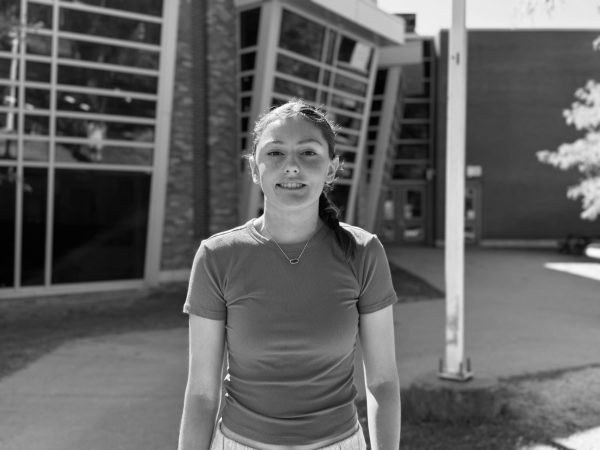
Preparing for a marathon was not an easy task. Juniors Vivian Belleames and Cami Thomas explained that their preparation for the half-marathon involved daily training starting in early May, with the most intense period from August to October. Specifically, they developed a weekly plan: “running 3 miles on Monday, 6 miles on Tuesday, 4 miles on Wednesday, and slowly build up until [their] last long run was 10 miles one morning.” Additionally, parent Melanie Corridore shared that she completed the full marathon. Her preparation was similar to Belleames and Thomas’s, but as a seasoned runner, Corridore noted that she has become more “aware of what clothes to wear, what to eat, and how to stay injury-free.”
According to Belleames, her personal highlights of the race were the “people who came to cheer [them] on.” She said, “There were so many funny signs, and people were just kind of yelling,” which, she noted, created a “good environment.” Similarly, Belleame’s running partner, Thomas, agreed, explaining that her favorite part of the race was “the energy there on race day. Everyone seemed so excited and ready; it was thrilling.” Corridore shared that some of her favorite moments were “crossing the finish line,” “running over the Ambassador Bridge and through the Windsor tunnel,” and being inspired and motivated by the “other runners.”
Runners reported mixed physical and mental effects from marathon participation. Belleames highlighted improvements in her self-image, noting her body was “skinnier,” her legs were “more toned,” and her core felt “more intact,” which contributed positively to her confidence and outlook. In contrast, Corridore argued, “The actual marathon itself is not good for you in any way,” citing the potential for physical damage such as joint pain, muscle strains, dehydration, and even the risk of stress fractures or overuse injuries. However, she acknowledged that year-round training and nutrition programs associated with marathon running support overall health and mental well-being, explaining, “By running, I am also able to maintain a very healthy mental status due to the clarity and euphoria it provides.” Similarly, Thomas shared that her half-marathon experience left her feeling stronger and happier, both physically and mentally.
A key aspect of the Detroit Free Press Marathon is its strong reliance on volunteers. Many people who choose not to run still play a crucial role by handing out medals, distributing water and pickle juice, providing energy gummies, and cheering on the runners. As Corridore points out, “Volunteering is so important to the success of the race and the runner’s ability to stay motivated.” Volunteers’ efforts not only ensure the race runs smoothly but also uplift and encourage participants every step of the way. Bellemes and Thomas shared that if you don’t want to run, you can still support the race by cheering on runners or volunteering: the Detroit Free Press is always looking for helpers.
After the race, Belleames reflected on her intense training and decided to take a break from running for now, though she’s considering doing a half-marathon with her mom next year. Despite the challenge, she recommends participating in the half-marathon because crossing the finish line made her “feel so accomplished.” Thomas was more definite, stating she plans to be able to run the full marathon next year. In contrast, Corridore expressed her intent to run the full marathon again, confessing that although she often thinks it’s her last time, the experience is addictive and motivates her to train for the following year.
Belleames offers helpful advice to new runners: going slow doesn’t matter—she often runs at a slower pace for her age group, but still completes the race. Her message is clear: unless you’re aiming for first place, it doesn’t matter how far you run or how long it takes—the important thing is finishing. Thomas emphasizes the importance of staying consistent with your training plan and being diligent with nutrition before and after runs. Corridore suggests simply continuing to run, as increasing your mileage is key, and stresses the importance of finding the right running shoes by visiting a professional running store for a fitting.
The Detroit Marathon is a special event not only for those who run, but also for those who support the runners. Whether you volunteer or cheer from the sidelines, your encouragement truly makes a difference. Not everyone has to run一the marathon offers opportunities for everyone to participate, such as volunteering or opting for shorter races like the half-marathon or 5K. Ultimately, support helps fuel the runners’ determination and spirit, making the event more meaningful for all involved. As the Detroit Free Press’ official website says, together we can “give every participant a once-in-a-lifetime experience… every year!”